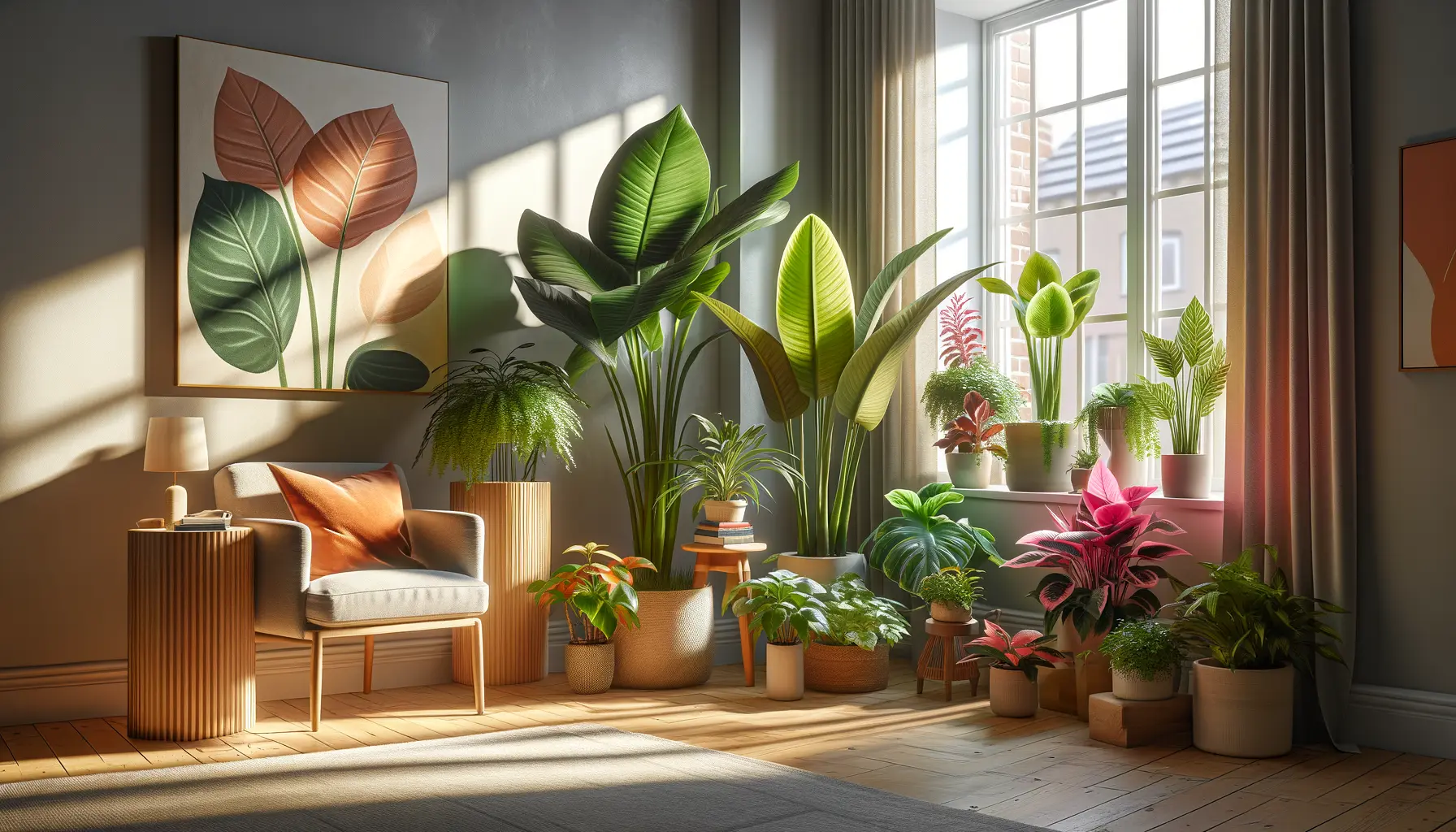
This guide highlights 12 houseplants that can create a lush, architectural look without choosing Monstera or another plant known to contain insoluble calcium oxalates. Each entry includes the botanical name, light and watering needs, styling role, and a safety note to verify before purchase.
“Cat-safe” means the plant is listed as non-toxic by the cited source. It does not mean a cat should eat it. Any plant material can cause stomach upset, and individual reactions can vary.
Disclaimer: Always verify species at purchase and double-check toxicity with authoritative sources such as the ASPCA cat plant list. Look-alike plants are common; ask for botanical names at the nursery.
Why Monstera and similar plants are risky for cats
Monstera, philodendrons, and many aroids contain insoluble calcium oxalate crystals. When chewed, those microscopic crystals can irritate a cat’s mouth, throat, and digestive tract, leading to drooling, pawing at the mouth, swelling, and sometimes vomiting. Reactions can vary, so contact a veterinarian or animal poison service when symptoms are severe or persistent.
If you love big leaves and bold shapes, you don’t have to remove greenery — you just choose different species that are non-toxic to cats and still deliver visual impact.
12 Cat-Safe Monstera Alternatives
For each pick, the notes cover care, visual role, toxicity, and a practical placement idea. Confirm the botanical name at purchase because common names can be shared by different plants.
1. Parlor Palm (Chamaedorea elegans)
Care notes
- Light: Bright, indirect; tolerates low light. Avoid hot, direct sun.
- Water: Water when the top inch of soil feels dry — keep slightly consistent moisture but never soggy.
- Size: Typically stays under 5 ft indoors.
Why it’s a great Monstera alternative Parlor palms bring an upright tropical silhouette similar to a smaller Monstera. The feathery fronds add vertical height without sharp edges.
Toxicity: Non-toxic to cats according to the cited ASPCA list.
Practical placement tip: Group a parlor palm with smaller plants to create a layered look, and keep it away from hot direct sun.
2. Calathea orbifolia
Care notes
- Light: Moderate to bright, indirect; avoid direct sun that will bleach leaves.
- Water: Keep soil evenly moist; they appreciate humidity.
- Humidity: Prefers high humidity — bathrooms or near a humidifier are ideal.
Why it’s a great Monstera alternative Large, silver-striped foliage delivers the same visual weight as Monstera but with patterned drama.
Toxicity: Non-toxic to cats according to the cited Gardeners’ World source.
Practical placement tip: Use Calathea orbifolia where humidity is easier to maintain, such as near a humidifier. If leaves curl, check light, watering, and humidity before moving it.
3. Peperomia Watermelon (Peperomia argyreia)
Care notes
- Light: Bright, indirect light.
- Water: Allow the topsoil to dry between waterings.
- Size: Compact, usually under 12 inches.
Why it’s a great Monstera alternative Glossy, patterned leaves offer lush visual interest in a small package — great where Monstera would overwhelm.
Toxicity: Non-toxic to cats according to the cited Plnts source.
Practical placement tip: Peperomias suit shelves and small tables. Let the top layer of soil dry, and use a pot with reliable drainage.
4. Boston Fern (Nephrolepis exaltata)
Care notes
- Light: Indirect or filtered light.
- Water: Keep soil evenly moist; mist for extra humidity.
- Placement: Works well in hanging baskets or on pedestals.
Why it’s a great Monstera alternative Ferns offer volume via layers of fronds rather than large single leaves, creating a soft, tropical presence.
Toxicity: Non-toxic to cats according to the cited Gardenia source.
Practical placement tip: A bathroom or humidifier can suit Boston fern, but watch for brown tips when indoor air is dry.
5. Spider Plant (Chlorophytum comosum)
Care notes
- Light: Bright, indirect but adapts to lower light.
- Water: Water when top inch dries; resilient to irregular watering.
- Benefits: Produces cascading plantlets — great for hanging baskets.
Why it’s a great Monstera alternative Cascading movement and bold foliage fill space and soften shelves; it’s less about mimicry and more about presence.
Toxicity: Non-toxic to cats according to the cited Garsons source.
Practical placement tip: Spider plants work well in hanging baskets or elevated planters, where their plantlets can trail safely out of reach.
6. African Violet (Saintpaulia)
Care notes
- Light: Bright, indirect light.
- Water: Water from below or soak soil to avoid wetting fuzzy leaves.
- Care tip: Rotate for even growth and blooms.
Why it’s a great Monstera alternative If you want personality and color instead of scale, African violets add charm and consistent blooms.
Toxicity: Non-toxic to cats according to the cited Straders source.
Practical placement tip: African violets can add color to a bright, indirect window. Water from below when suitable and avoid wetting fuzzy leaves.
7. Cast Iron Plant (Aspidistra elatior)
Care notes
- Light: Thrives in low light; tolerates bright indirect light.
- Water: Sparse watering; let soil dry between waterings.
- Maintenance: Very slow-growing and low-maintenance.
Why it’s a great Monstera alternative It delivers an architectural presence with broad, dark leaves — perfect for shaded corners where Monstera wouldn't thrive.
Toxicity: Non-toxic to cats according to the cited Southern Cross Pet source.
Practical placement tip: Cast iron plants are useful for shaded corners, but allow the soil to dry between waterings rather than treating low light as a reason to keep it wet.
8. Zebra Haworthia (Haworthia fasciata)
Care notes
- Light: Bright light to partial sun.
- Water: Let soil dry fully between waterings; avoid overwatering.
- Size: Small and sculptural — great for desks.
Why it’s a great Monstera alternative It adds sculptural interest and low-care appeal as a small accent.
Toxicity: Listed as non-toxic in the cited source, but verify the botanical name before purchasing to avoid aloe confusion.
Practical placement tip: Use haworthia in clusters on a bright shelf. Confirm the botanical name at purchase because aloe look-alikes are not interchangeable for cat safety.
9. Prayer Plant (Maranta leuconeura)
Care notes
- Light: Moderate to bright, indirect.
- Water: Keep evenly moist and up humidity where possible.
- Habit: Low, spreading habit; great for tables or stands.
Why it’s a great Monstera alternative Colorful undersides and patterned tops add drama and movement without toxicity.
Toxicity: Non-toxic to cats according to the cited Plnts source.
Practical placement tip: Prayer plants add pattern and movement to a table or stand. Keep moisture steady without leaving the pot waterlogged.
10. Money Tree (Pachira aquatica)
Care notes
- Light: Bright, indirect; tolerates moderate light.
- Water: Water when top 2 inches are dry; avoid waterlogged roots.
- Size: Can grow tall indoors with space.
Why it’s a great Monstera alternative A central trunk with a canopy of palm-like leaves gives a strong focal point similar to a large Monstera specimen.
Toxicity: Non-toxic to cats according to the cited Monstera App source.
Practical placement tip: A money tree can create a tall focal point near bright, indirect light. Check the soil before watering and avoid standing water.
11. Golden Polypody Fern (Phlebodium aureum)
Care notes
- Light: Indirect light; avoid harsh sun.
- Water: Likes humidity and evenly moist soil, not soggy.
- Display: Looks great mounted or in a hanging pot.
Why it’s a great Monstera alternative Wavy, blue-green fronds offer a modern, sculptural look that stands out.
Toxicity: Non-toxic to cats according to the cited Gardenia source.
Practical placement tip: Golden polypody fern works in a hanging or mounted display when humidity and even moisture are manageable.
12. Hypoestes (Polka Dot Plant)
Care notes
- Light: Bright, indirect light to maintain vivid colors.
- Water: Keep consistently moist but not waterlogged.
- Habit: Fast-growing and bushy; pinch tips for fullness.
Why it’s a great Monstera alternative It adds color and pattern in arrangements where scale isn’t necessary.
Toxicity: Non-toxic to cats according to the cited Garsons source.
Practical placement tip: Hypoestes can add color to a grouping. Pinch growing tips for fullness and keep moisture even without saturating the soil.
Quick toxicity reference (at-a-glance)
This snapshot is handy for shopping. Always confirm botanical names at the nursery and cross-check with ASPCA’s plant list or your local vet.
| Plant Name | Toxic to Cats? | Care Summary |
|---|---|---|
| Monstera spp. | Yes | Avoid — contains calcium oxalate crystals |
| Parlor Palm | No | Indirect light, water when top dries |
| Calathea orbifolia | No | Moderate indirect light, likes humidity |
| Peperomia Watermelon | No | Bright indirect, well-drained soil |
| Boston Fern | No | Moist soil, frequent misting |
| Spider Plant | No | Bright indirect, forgiving |
| African Violet | No | Indirect light, water from below |
| Cast Iron Plant | No | Low light tolerant, infrequent watering |
| Zebra Haworthia | No (verify) | Bright light, dry between waterings |
| Prayer Plant | No | Moderate light, likes humidity |
| Money Tree | No | Indirect light, moderate watering |
| Golden Polypody Fern | No | Humid, moist but not waterlogged soil |
| Hypoestes (Polka Dot) | No | Bright indirect, keep soil evenly moist |
Shopping, placement, and safety tips
- Buy labeled plants from reputable nurseries. Aesthetic trends lead to mislabeling — always ask for the botanical (Latin) name.
- Place plants thoughtfully. Even non-toxic plants can upset a cat’s stomach if eaten in quantity. Use high shelves, hanging baskets, or stands to discourage heavy nibbling.
- Introduce plants gradually. Keep a new plant in a controlled position and observe whether your cat tries to chew it.
- Use humane deterrents. Relocation, barriers, motion-activated deterrents, or double-sided tape on a favorite snooze shelf can reduce nibbling without exposing a cat to a plant or food item that may be unsafe.
No plant should be treated as safe to eat. Use elevated shelves, hanging baskets, barriers, or cat grass to reduce access, especially during the first few days after bringing a plant home.
What to do if your cat ingests a plant
Most mild exposures cause drooling, pawing at the mouth, or mild vomiting. Contact your vet or pet poison control immediately for severe signs: swelling, difficulty breathing, continuous vomiting, collapse, or unresponsiveness.
If ingestion occurs, keep the plant label or take a photo for identification and note the time and symptoms. Your vet or poison control will advise if home observation is safe or if urgent care is required.
Photo caption & alt-text suggestions (accessibility tip)
- Caption idea: “Parlor Palm and Peperomia cluster near a north-facing window — cat-safe, low-maintenance greenery.”
- Alt-text suggestion: “Indoor parlor palm and peperomia plants grouped on a windowsill.”
Include a close-up of foliage patterns (Calathea orbifolia stripes, Peperomia watermelon pattern) and a wide shot showing placement (elevated shelves, hanging baskets).
How to build a safer plant display
Start with one or two species whose botanical names and toxicity status you can verify. Match each plant to its light and watering needs, then place it where a curious cat cannot easily pull it down or chew it. Keep the nursery label or a clear plant photo so a veterinarian can identify the plant if ingestion occurs.
The safest display combines verified plant choices with sensible placement. Even a non-toxic plant can cause vomiting or diarrhea when eaten in quantity.
Final thoughts
Switching away from Monstera and its look-alikes can feel limiting at first, but these 12 alternatives offer a wide range of shapes, textures, and sizes. You can curate bold, textured, and lush plant displays that are listed as non-toxic by the cited sources and suited to different light and care needs.
If you’re redesigning your space with a curious pet in mind, start with one or two verified species and build a plant grouping that suits your light, style, and your cat’s behavior.
Happy planting, and keep a cat-safe enrichment option nearby so the plants are not the only interesting thing in the room.
References
ASPCA. (2024). Cats and plants: ASPCA’s plant list. ASPCA.
Gardeners' World. (2023). Cat-friendly houseplants. Gardeners' World.
Plnts. (2022). Non-toxic houseplants for cats. Plnts.
Gardenia. (2023). Pet-safe houseplants: perfect picks for cat owners. Gardenia.
Garsons. (2023). 10 non-toxic indoor plants if you have pets. Garsons.
Straders. (2022). Strader’s favorite indoor plants safe for cats. Straders.
Southern Cross Pet. (2021). Toxic houseplants: what to avoid. Southern Cross Pet.
Xanh Xanh Urban Forest. (2024). Monstera and cat-safe environments. Xanh Xanh Urban Forest.
Monstera App. (2023). Non-toxic houseplants for cats, dogs and other pets. Monstera App.