Free AI plant disease identifier
Diagnose a Sick Plant From a Photo Online
Upload plant photos to compare likely diseases, pests, watering stress, and root problems. Get visible evidence, confidence-scored possibilities, and practical next steps.
Preview one to five photos locally, then continue in the Plant Doctor app. Submit opens the App Store on iOS or Google Play on Android; other devices show a download QR code. Photos stay in your browser and must be added again in the app.
Example plant symptom patterns
These educational examples show what the tool compares. They are not user diagnoses.
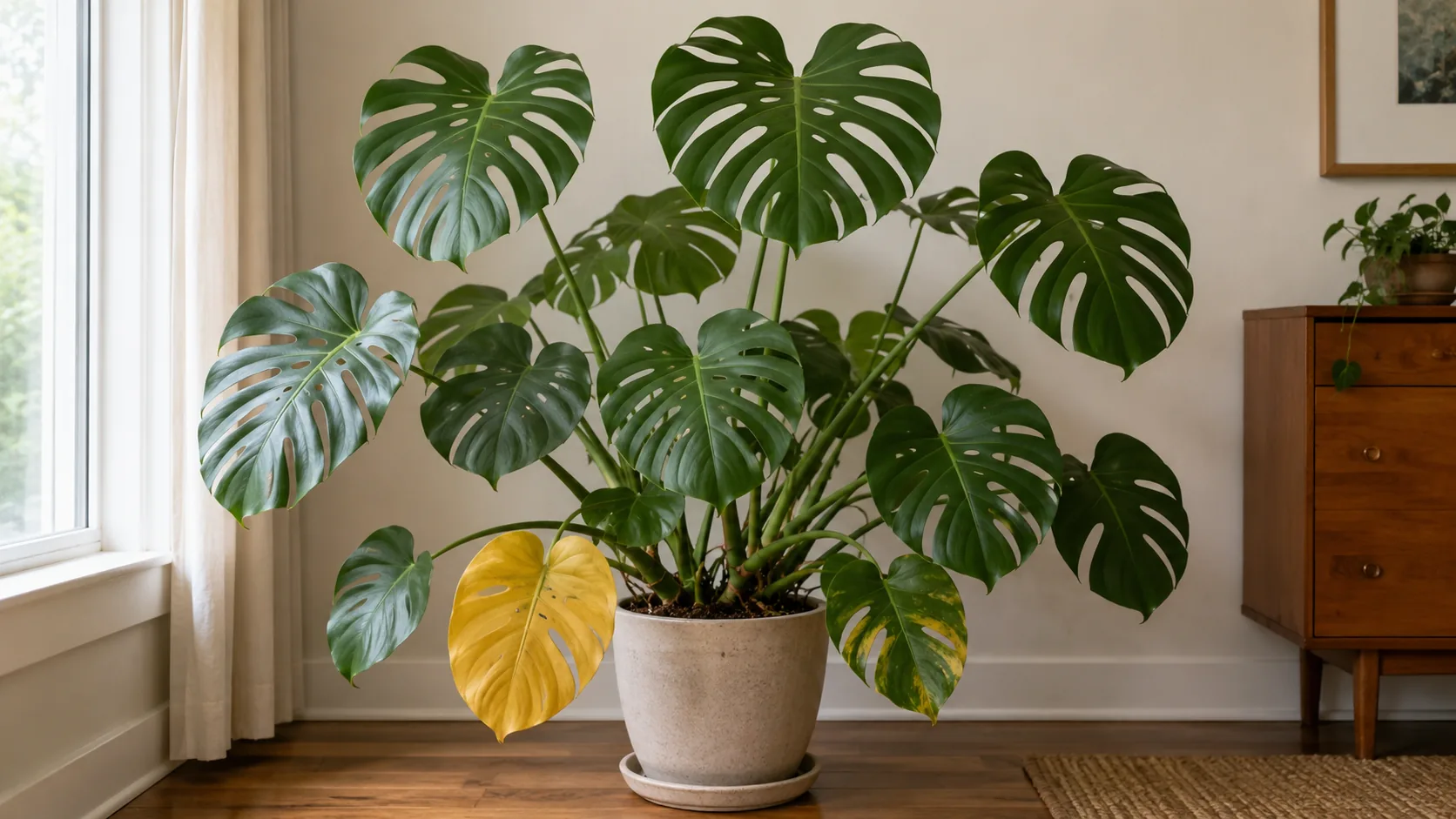
Yellow lower leaves on a Monstera
Yellowing low on the plant can fit normal leaf aging, watering stress, root trouble, or pests. One photo rarely separates them.
Evidence to compare
- Which leaves yellowed first
- Whether the soil stays wet
- Leaf underside and stem-joint clues
Useful next photo: Upload the full plant, the yellow leaves, the soil surface, and a leaf underside before changing the watering routine.
Compare Monstera yellow leaf causes
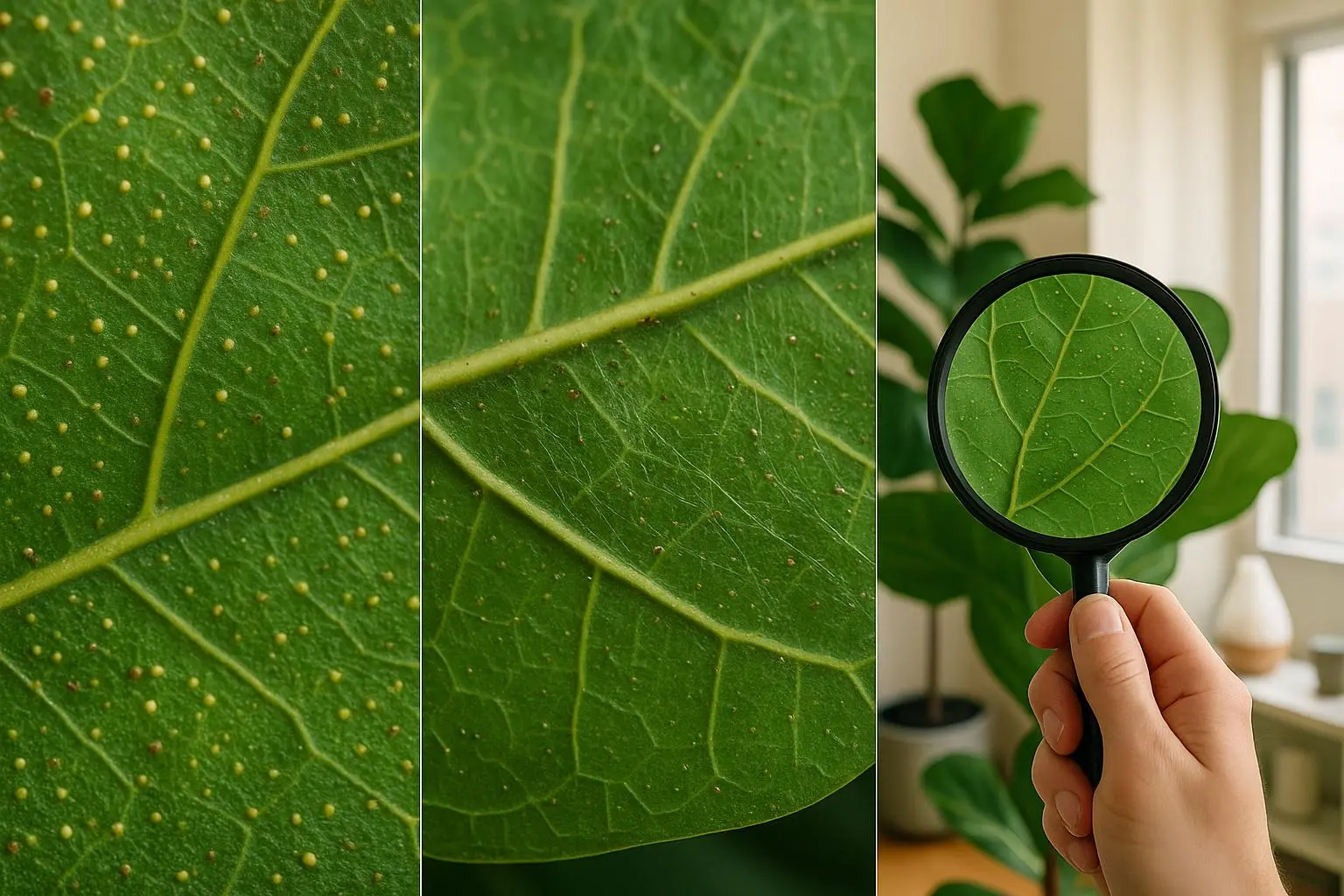
Fine stippling and possible spider mites
Tiny pale dots, dull leaves, and fine webbing can point toward spider mites, but residue and other pests can look similar in a single image.
Evidence to compare
- Stippling across the leaf surface
- Fine webbing near veins or stems
- Moving specks on the leaf underside
Useful next photo: Add a sharp underside photo and a wider photo showing how far the symptoms have spread. Isolate the plant while you investigate.
Check the spider mite photo guide
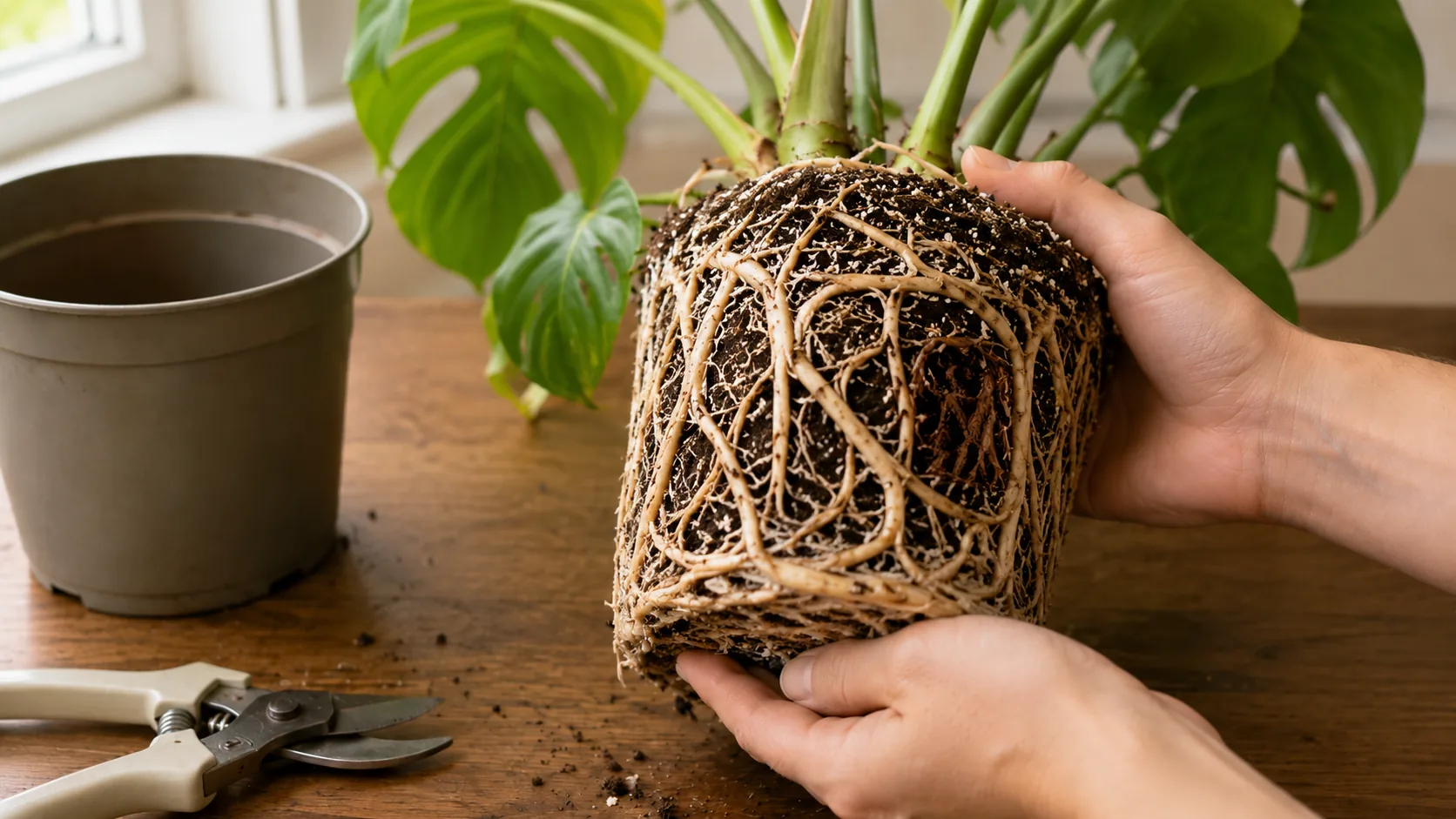
Root stress after persistent yellowing
Wet soil, yellow leaves, soft stems, and an unhealthy smell can raise concern about root stress. Healthy pale roots and damaged dark roots need different next steps.
Evidence to compare
- Soil moisture and drainage
- Root color and firmness
- Soft stems or sour-smelling soil
Useful next photo: Photograph roots only when the visible symptoms and soil conditions justify disturbing the plant. Include the pot and drainage setup.
Review the root rot rescue protocol
Online plant diagnosis questions
How do I diagnose plant problems with pictures?
Upload one photo of the whole plant plus close-ups of the affected leaves, leaf undersides, stems, soil, and drainage. Add recent watering, light, fertilizer, repotting, and temperature changes so similar-looking causes can be compared in context.
Is the online plant diagnosis free?
Photo selection and preview are free in your browser. Submit to download Plant Doctor for diagnosis in the app. Photos stay in your browser; add them again in the app after download.
Can the tool identify pests and watering problems?
It can compare visible clues associated with common pests, disease, watering stress, root problems, nutrient issues, and environmental damage. Results are possible causes, not a laboratory confirmation.
What photos give the best diagnosis?
Use bright natural light and include the entire plant, the worst symptom close up, both sides of an affected leaf, stems, soil, pot drainage, and any visible insects or residue. Avoid blurry photos and heavy filters.
How should I interpret confidence scores?
A higher confidence score means the visible evidence and care context fit that possibility more closely. It is not a guarantee. Review alternative causes and provide follow-up photos when the result remains uncertain.
When should I ask a plant expert?
Ask a horticulturist or local extension service when symptoms spread quickly, a rare or valuable plant is involved, food crops need treatment, or a recommendation could affect pets, children, or edible plants.