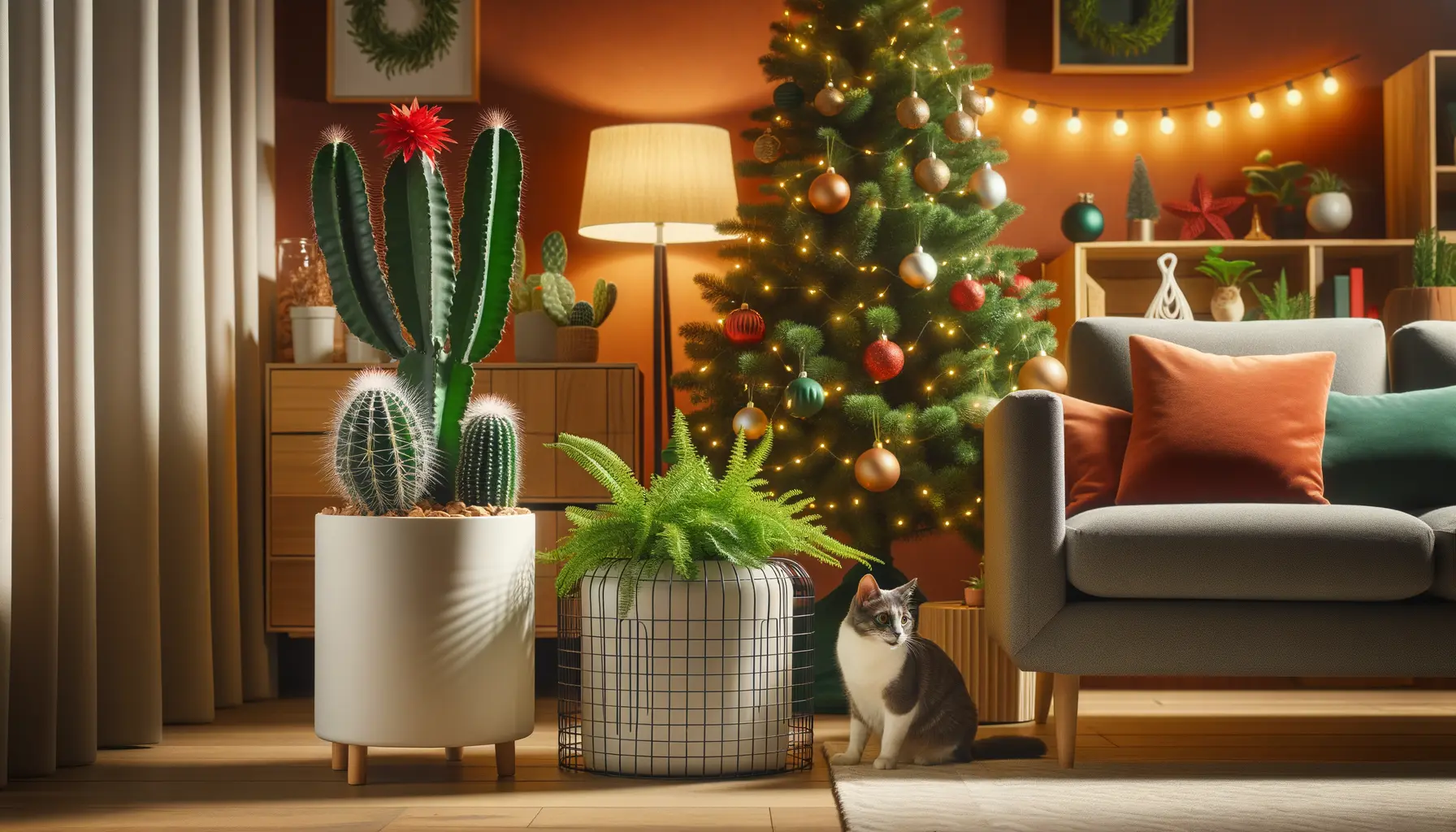
If you’ve ever peeked into a living room over the holidays, you’ve probably seen a poinsettia somewhere—blooming red bracts, a dash of green, and that unmistakable festive vibe. For years, I’ve watched pet owners spiral into worry at the sight of a nibble or a kiss from a curious moment in December. Then I started digging into the science, separating myth from molecule, and realized there’s a clearer path forward. Not calm certainty, but practical guidance that helps you enjoy the season without turning every plant into a panic scene.
Here’s the reality, told straight, with concrete steps you can act on tonight.
A quick personal story (a real one, not a marketing moment) Last Christmas, my dog, Mia, a sniff-first, lick-second kind of retriever, wandered into the living room as I was unpacking a new poinsettia. I caught her quickly, and she had a little bit of the red bract in her mouth. My heart jumped, and I immediately thought: “Poison!” I called a vet friend, who reassured me that poinsettias aren’t deadly, just irritating if eaten. We wiped her mouth, gave her water, and watched her for a few hours. She drooled a bit, whimpered for comfort, then settled in with a belly ache that resolved by the evening. It wasn’t the drama I’d built up in my head, and that small moment—watching Mia recover with normal behavior and no seizures—stuck with me. If I’d panicked and treated it like a life-or-death event, it would’ve been more stressful for both of us.
A micro-moment I keep tucked away When I break open a poinsettia stem, the sap oozes milky white and leaves a sticky feel on your fingers. It’s a tactile reminder: this plant is an irritant, not a venomous snake. It doesn’t scream danger, it whispers “mild irritation.” That nuance matters in how you respond.
What this article covers
- The science behind poinsettia toxicity and how it actually affects cats and dogs
- Symptoms you’re likely to see, and how fast they appear
- Clear home triage steps vs. when to call a pro
- A printable, infographic-ready checklist for emergencies
- Real-world sample phone scripts you can adapt
- Preventive tips and safe display hacks so your holiday stays joyful
What scientists actually say about poinsettias The public story about poinsettias being fatal is an overstatement. They’re irritating, not lethal, for most pets. The plant contains a milky sap called latex, which houses compounds that can irritate the mouth and gastrointestinal tract. In pets, ingestion usually leads to mild symptoms, not a trip to the ER. The big caveat: every animal is different. A tiny puppy, a senior cat, or a pet with underlying health issues might react more strongly, especially if they swallow a lot. But even then, severe toxicity and death are rare. The most common outcome is a temporary GI upset—think drooling, mild vomiting, or loose stool that resolves with a bit of time and supportive care.
The science in bite-sized form
- All parts of the poinsettia contain sap, but most symptoms come from ingestion of bracts or leaves.
- The sap is irritating to mucous membranes, not a systemic poison.
- Severe outcomes are exceedingly uncommon; the risk is overstated, but the plant isn’t “totally safe” either.
- Reputable sources emphasize observation and supportive care as the usual approach, unless a pet ingests a large amount or shows marked distress.
The symptoms you’re most likely to see
- In cats and dogs: mouth irritation (redness, drooling, pawing at the mouth), vomiting, and possibly mild diarrhea
- Less common: lethargy or decreased appetite for a short period
- Rare but possible: signs from irritation that aren’t severe or life-threatening
A note on timelines Symptoms typically appear within minutes to a few hours after ingestion. If you see persistent vomiting, bloody diarrhea, or signs of significant distress, those are signals to escalate care. If your pet ate a large portion, or you can’t gauge how much, it’s smart to call a professional even if your pet seems fine.
What to do if your pet eats a poinsettia: a practical guide Immediate home triage (for mild ingestion)
- Step 1: Remove plant material and wipe the mouth. Gently wipe away any visible sap from the lips, mouth, and face with a damp cloth.
- Step 2: Offer fresh water. A little rinse is helpful to dilute any sap and soothe the mouth.
- Step 3: Observe closely for a few hours. Mild symptoms often resolve on their own, but you want to catch anything that might escalate.
- Step 4: Withhold food briefly if vomiting occurs. A 4-6 hour window can help the stomach settle; reintroduce a bland meal gradually (boiled chicken, small amount of rice).
When to call your veterinarian or a poison helpline
- If your pet ingested a large quantity
- If vomiting is persistent (more than 2-3 episodes) or severe
- If diarrhea is persistent, bloody, or accompanied by dehydration
- If your pet seems unusually weak, lethargic, or distressed
- If your pet has underlying conditions (kidney or heart disease, for example) that might complicate ingestion
- If you’re simply worried or unsure
Infographic-ready checklist: Immediate actions
- Step 1: Stay calm. Poinsettias are rarely life-threatening.
- Step 2: Remove and rinse. Wipe mouth; offer water.
- Step 3: Observe. Watch for mild GI upset.
- Step 4: Call if concerned. Vet or poison helpline for guidance on more serious symptoms.
Sample phone scripts you can use today Calling your veterinarian “Hello, my name is [Your Name]. My pet [Pet's Name], a [Species, Breed, Age, Weight], just ate a small amount of a poinsettia plant. I saw [him/her] chew on a [leaf/bract/stem]. [He/She] is currently [describe current behavior, e.g., drooling a bit, seems fine, vomited once]. What should I do?”
Calling a pet poison helpline (ASPCA APCC or Pet Poison Helpline) “Hi, I’m calling because my [Species, Breed, Age, Weight] ingested some poinsettia. I’m worried about potential toxicity. [He/She] ate [amount and part], about [time ago]. [He/She] is showing [symptoms] or currently asymptomatic. What are the next steps?”
Preventive measures: Keeping poinsettias out of reach Even if the danger is exaggerated, prevention is simply easier than dealing with mess and worry.
- Elevate plants out of reach on high shelves, mantels, or hanging baskets.
- Use pet-proof barriers like gates or decorative fences to block access.
- Create pet-free zones for holiday decor.
- Supervise curious pets around new decorations, especially puppies and kittens.
- Consider bitter-tasting sprays labeled as pet-safe to deter chewing (test first on a small plant area).
Safe display hacks for holiday decor
- Faux poinsettias that look convincing but carry zero risk
- Decorative cages or cloches around pots
- Enclosed terrariums or glass displays for poinsettias
- Alternative, pet-safe holiday plants: Christmas cactus, orchids, African violets
A note on real-world data The most helpful takeaway isn’t fear; it’s perspective. The majority of calls to poison hotlines during the holidays are for mild GI upset from a range of plants, not elite emergencies. A measured response—calmly assessing the amount ingested, watching for symptoms, and knowing when to call—protects pets and parents from needless stress.
The science-backed verdict Poinsettias aren’t deadly to cats or dogs in the vast majority of cases. They are irritants that can cause temporary GI upset. That’s it. If you’re worried, call your vet or a poison helpline. If the pet ate a lot or is acting off in any way, treat it as a potential problem. Most of the time, the path to peace of mind is simple: wipe the mouth, offer water, keep an eye on symptoms, and reach out for professional guidance if anything looks off.
Prevention-forward decor ideas for a safe, festive home
- Use faux plants or non-toxic decorations that still bring the holiday vibe
- Rotate live plants into rooms pets can’t access
- Create a “plant-safe” decorating zone where you keep the greens away from paw reach
- Make a quick checklist for guests: no fresh poinsettias in high-traffic areas
- If you must display real poinsettias, place them behind a barrier or in a room your pet doesn’t frequent
Closing thought If you’re a pet parent, you don’t have to choose between a warm home and a safe one. With a little awareness, you can celebrate with the people—and pets—you love. The science is on your side: poinsettias are irritating, not poison, and most incidents are mild, self-limiting events. When in doubt, a quick call to your vet or a poison helpline brings clarity and relief.
References
ASPCA (2023). Poinsettia.
Pet Poison Helpline (2023). Poinsettia Toxicity in Pets.